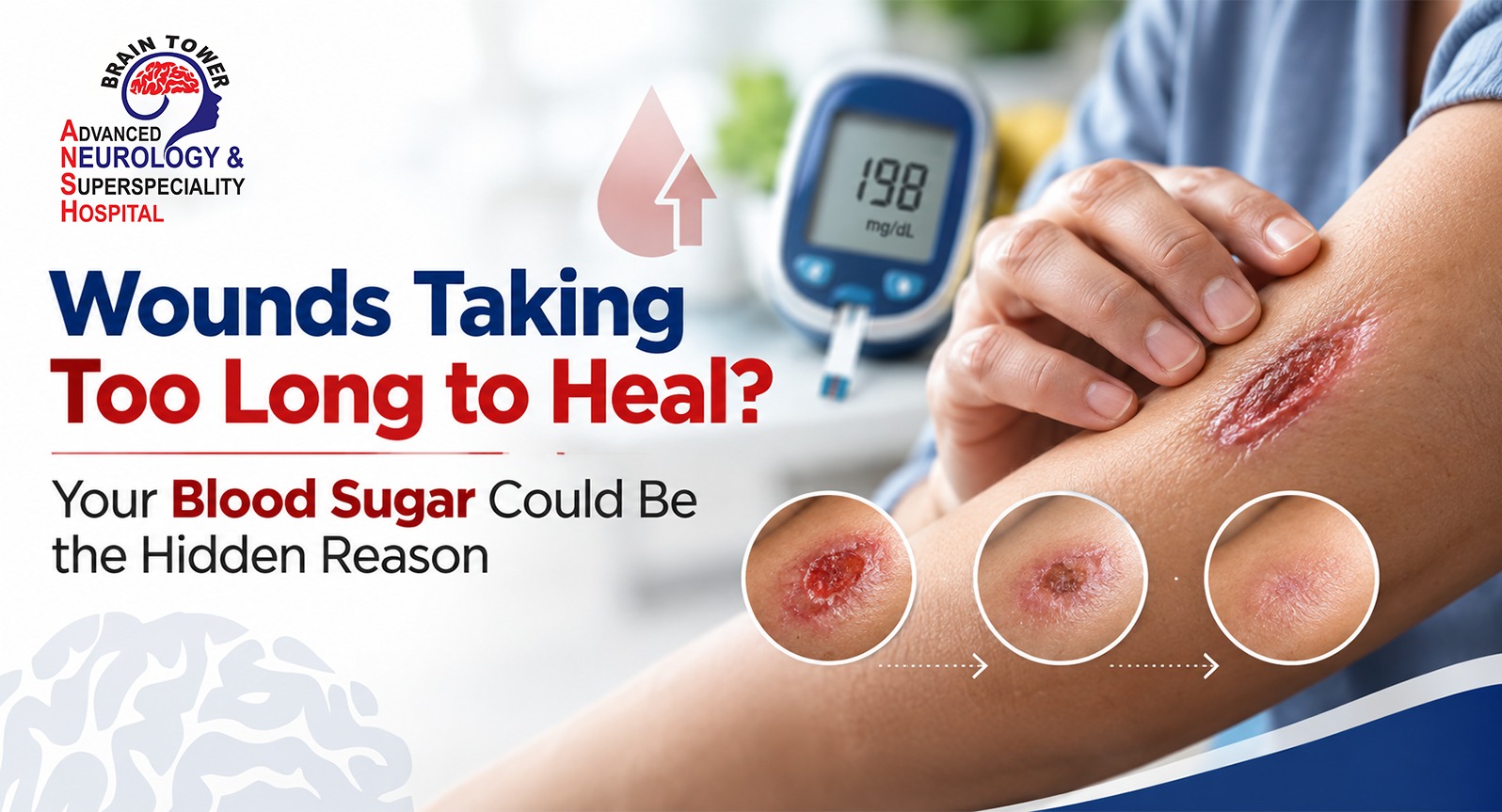
A small cut, blister, or wound may seem harmless at first. Usually, the body begins repairing damaged tissue immediately, and most minor wounds gradually heal within days or weeks. But what happens when a wound refuses to heal, keeps reopening, or shows signs of infection?
One possible reason is high blood sugar.
Many people do not realise that elevated blood glucose can affect the body’s natural healing process. In some cases, a wound that takes unusually long to heal may be an early warning sign of diabetes or an indication that existing diabetes is not well controlled.
Understanding the connection between blood sugar and wound healing can help you recognise potential health concerns and seek timely medical advice. If you are experiencing persistent wounds, consulting a Diabetes Specialist Doctor in Jaipur can help identify the underlying cause and guide you towards appropriate treatment.
Why Do Some Wounds Take So Long to Heal?
Wound healing is a complex process involving blood circulation, immune responses, tissue repair, and the formation of new skin. When you get a cut or injury, your body works through several stages to close the wound and protect it from infection.
A healthy healing process generally involves:
- Stopping the bleeding: Blood vessels constrict and a clot forms to prevent further blood loss.
- Fighting infection: Immune cells move towards the wound to remove bacteria and damaged tissue.
- Repairing the tissue: New cells, collagen, and blood vessels help rebuild the damaged area.
- Remodelling the skin: The newly formed tissue gradually strengthens over time.
High blood sugar can interfere with several of these steps. As a result, even a minor injury may take longer than expected to heal.
Although diabetes is an important cause of delayed wound healing, it is not the only one. Poor circulation, infection, nutritional deficiencies, smoking, certain medications, and other medical conditions can also affect recovery.
How High Blood Sugar Affects Wound Healing
1. Reduced Blood Circulation
Good blood flow is essential for wound healing. Blood carries oxygen, nutrients, and immune cells to damaged tissue.
Over time, uncontrolled diabetes can damage blood vessels and contribute to circulation problems. When a wound does not receive enough oxygen and nutrients, the repair process may slow down.
This is especially concerning in the feet and lower legs, where circulation problems can increase the risk of persistent wounds.
2. Weakened Immune Response
High blood glucose can affect the functioning of certain immune cells. These cells play a vital role in fighting bacteria and clearing damaged tissue from a wound.
When the immune response is impaired, the body may find it more difficult to control infections. This can lead to prolonged inflammation and slower healing.
A wound that becomes increasingly red, swollen, painful, or produces discharge should be assessed by a healthcare professional.
3. Nerve Damage and Reduced Sensation
Diabetes can sometimes damage nerves, a condition known as diabetic neuropathy. When nerves in the feet or hands are affected, a person may experience numbness, tingling, burning, or reduced sensitivity.
This means an individual may not notice a small cut, blister, or pressure injury until it becomes more serious.
For example, a person with reduced sensation in their feet may continue walking on a blister without realising that repeated pressure is damaging the skin. Without appropriate care, the injury may become difficult to heal.
4. Changes in Tissue Repair
Persistently elevated blood sugar can disrupt processes involved in collagen formation, inflammation, and the growth of new tissue. These changes may make it harder for the body to close a wound effectively.
When several factors-such as poor circulation, nerve damage, and impaired immunity-occur together, the risk of a chronic wound may increase.
Why Diabetes Care Matters for Wound Healing
ANS Hospital highlights the importance of specialised medical care and a comprehensive approach to health. When blood sugar is poorly controlled, its effects can extend beyond glucose levels and influence several systems in the body.
For people living with diabetes, wound care should not be treated as a separate concern from diabetes management. Monitoring blood sugar, checking the feet regularly, maintaining a healthy lifestyle, and attending medical appointments can help reduce the risk of complications.
A diabetes specialist can assess whether high blood glucose is contributing to delayed healing. Depending on the patient’s symptoms and medical history, the doctor may also evaluate circulation, nerve function, infection, and other factors that could be affecting recovery.
The earlier a problem is identified, the sooner an appropriate care plan can be developed.
Could a Slow-Healing Wound Be a Sign of Undiagnosed Diabetes?
Sometimes, yes. A wound that heals unusually slowly may be one of several clues that a person has high blood sugar. However, a delayed-healing wound alone cannot confirm diabetes.
Other symptoms that may suggest elevated blood glucose include:
- Frequent urination, especially at night
- Increased thirst
- Unexplained weight loss
- Persistent tiredness
- Blurred vision
- Increased hunger
- Repeated skin or urinary infections
- Tingling or numbness in the hands or feet
Some people with type 2 diabetes may have few noticeable symptoms for a long time. In such cases, a persistent wound may prompt a medical evaluation that reveals an underlying blood sugar problem.
A doctor may recommend blood tests such as fasting blood glucose or HbA1c to assess average blood sugar levels over time. These tests can help determine whether diabetes or another glucose-related condition may be present.
What Are the Warning Signs of a Problematic Wound?
Not every wound that takes time to heal is dangerous, but certain symptoms require prompt attention.
Watch for:
Increasing Redness or Swelling
Mild redness immediately around a fresh injury may be part of normal healing. However, redness that spreads, swelling that worsens, or increasing warmth may indicate infection.
Persistent Pain or Tenderness
Pain that becomes more severe rather than improving should not be ignored. In people with nerve damage, a serious wound may sometimes cause little pain, so the appearance of the wound is also important.
Pus or Unusual Discharge
Yellow, green, or foul-smelling discharge may indicate infection and requires medical assessment.
Darkening Skin or Tissue
Black, grey, or unusually dark tissue around a wound can be a serious warning sign, particularly when circulation is poor. Urgent medical evaluation is necessary.
A Wound That Does Not Improve
If a wound shows little improvement over time, repeatedly opens, or becomes larger, it should be examined by a healthcare professional. People with diabetes should seek advice early rather than waiting for the injury to worsen.
How Can You Support Faster Wound Healing?
If you have diabetes or suspect that your blood sugar may be elevated, several habits can support better wound care and overall health.
1. Monitor Blood Sugar Regularly
Follow your doctor’s recommendations for blood glucose monitoring. Understanding your blood sugar patterns can help you and your healthcare team identify whether your diabetes management needs adjustment.
2. Follow Your Treatment Plan
Take prescribed medications as directed and attend regular diabetes check-ups. Do not change medication doses without consulting your doctor.
3. Inspect Your Feet Every Day
Look for cuts, blisters, cracks, swelling, redness, or changes in skin colour. Use a mirror or ask a family member for help if you cannot easily see the soles of your feet.
4. Keep Wounds Clean and Protected
Gently clean minor wounds according to medical advice and cover them with an appropriate dressing. Avoid applying harsh chemicals, unverified home remedies, or irritating substances to an open wound.
5. Avoid Walking Barefoot
Wearing properly fitting footwear can help protect the feet from cuts, burns, pressure points, and other injuries. This is particularly important for people with reduced sensation.
6. Maintain a Balanced Diet
A nutritious diet that supports blood sugar management and provides adequate protein, vitamins, and minerals can contribute to overall health and tissue repair. Dietary needs may vary, so personalised guidance can be helpful.
7. Avoid Smoking
Smoking can negatively affect circulation and tissue oxygenation, making wound healing more difficult. Quitting smoking is beneficial for vascular health and diabetes management.
When Should You See a Diabetes Specialist?
You should consider consulting a specialist if you have diabetes and notice a wound that is not healing as expected, especially if it is located on the foot or lower leg.
Medical advice is particularly important when:
- The wound is getting larger or deeper.
- There is increasing redness, swelling, or warmth.
- You notice pus, a bad smell, or other signs of infection.
- You have numbness or reduced sensation in the affected area.
- Your blood sugar levels remain higher than your recommended target.
- You have a history of diabetic foot ulcers or circulation problems.
A Diabetes Specialist Doctor in Jaipur can evaluate your glucose control, review your medications, and help identify factors contributing to delayed wound healing. Depending on the situation, you may also need wound care, a vascular assessment, or referral to another specialist.
If you develop fever, rapidly spreading redness, severe swelling, severe pain, or blackened tissue, seek urgent medical attention. A diabetic foot wound with signs of serious infection should not be managed at home.
Can Better Blood Sugar Control Prevent Wound Complications?
Maintaining blood sugar within the target range recommended by your healthcare professional can help reduce the risk of diabetes-related complications. Good glucose management, regular foot examinations, healthy eating, physical activity suited to your condition, and appropriate medical care all play a role.
However, blood sugar control is only one part of wound prevention. A person may also need treatment for infection, poor circulation, pressure on the affected area, or nerve damage.
The most effective approach is often a combination of prevention, early detection, and personalised treatment.
Conclusion
A wound that takes too long to heal should not always be dismissed as a minor issue. High blood sugar can interfere with circulation, immunity, nerve function, and tissue repair, making recovery more difficult. In some cases, persistent wounds may even lead to the discovery of previously undiagnosed diabetes.
At ANS Hospital, the importance of specialised medical care and timely evaluation serves as a reminder that seemingly small health concerns deserve proper attention. Understanding the connection between diabetes and wound healing can help individuals take proactive steps towards protecting their health.
If you are looking for a Diabetes Specialist Doctor in Jaipur, consider seeking professional advice when wounds heal slowly or when you notice other possible symptoms of diabetes. Early assessment, effective blood sugar management, and appropriate wound care can help reduce complications and support a healthier future.