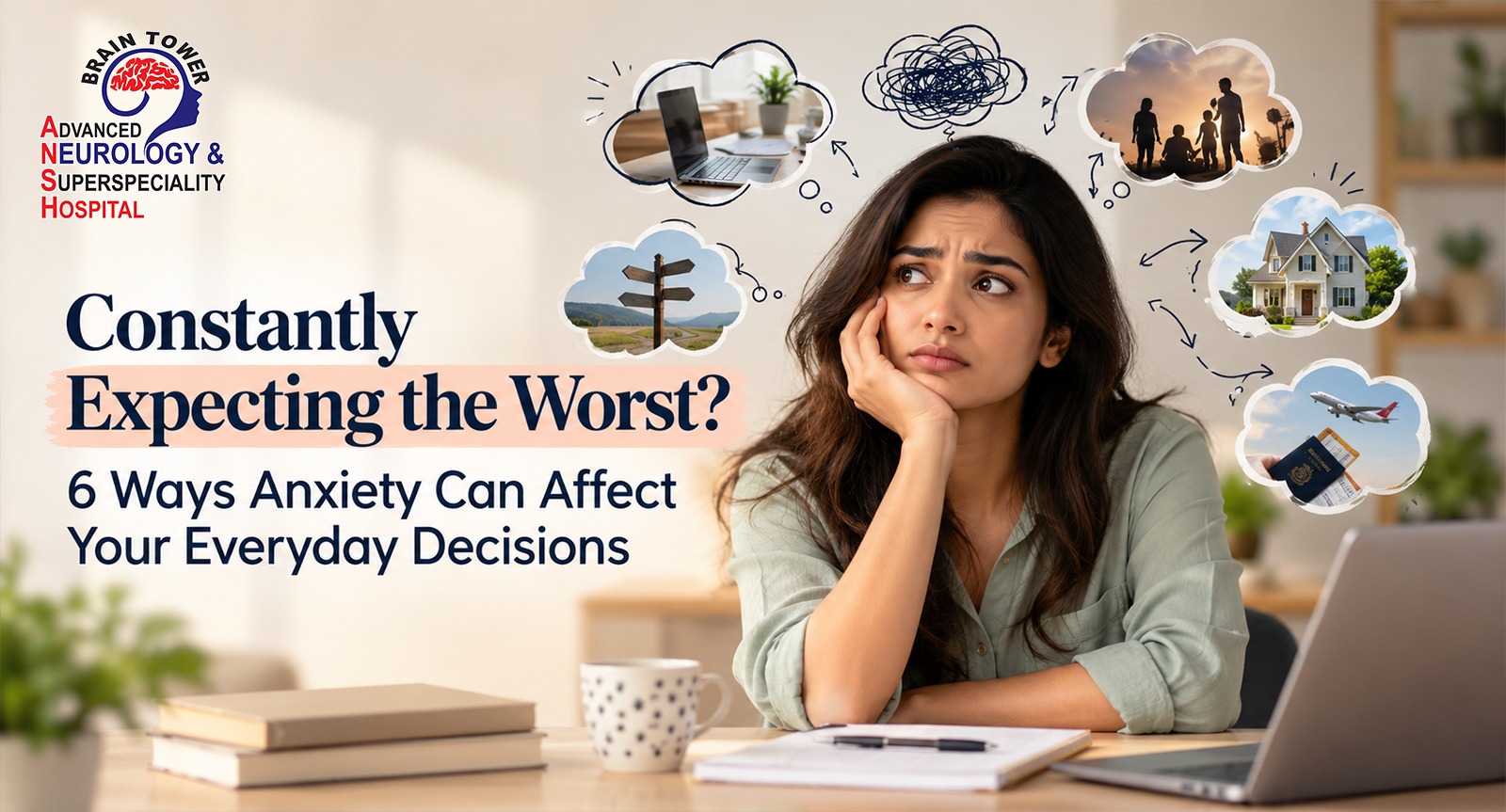
Do you often imagine the worst possible outcome before making a decision? Perhaps you worry about making mistakes at work, feel nervous about meeting new people, or spend hours thinking about whether you have made the right choice. While occasional worry is a normal part of life, constantly expecting the worst can make even simple everyday decisions feel overwhelming.
Anxiety can influence how you think, respond to challenges, interact with others, and plan for the future. When these feelings become persistent, they may affect your confidence, relationships, productivity, and overall well-being. Recognising these patterns is an important step towards managing anxiety and developing healthier decision-making habits.
For individuals experiencing ongoing worry, consulting the best psychiatrist in Jaipur may help identify the underlying causes of anxiety and explore appropriate treatment options. With professional guidance and practical coping strategies, it is possible to regain confidence and approach everyday situations with greater clarity.
Let’s explore six ways anxiety can affect your everyday decisions and what you can do to manage its impact.
Understanding Why Anxiety Makes Decisions Difficult
Anxiety is the body’s natural response to perceived threats or uncertainty. It can help you prepare for challenges, but excessive anxiety may cause your mind to focus on possible dangers, even when the actual risk is low.
You might repeatedly ask yourself, “What if something goes wrong?” or “What if people judge me?” These thoughts can make ordinary choices feel unusually risky. Instead of evaluating the available information calmly, you may become focused on avoiding mistakes or preventing imagined negative outcomes.
Anxiety affects people differently. Some individuals become indecisive, while others rush into decisions to escape uncomfortable feelings. Understanding how anxiety influences your behaviour can help you recognise when worry is interfering with your daily life.
6 Ways Anxiety Can Affect Your Everyday Decisions
1. Overthinking Even the Smallest Choices
One of the most common effects of anxiety is overthinking. You might spend an unreasonable amount of time deciding what to wear, which message to send, what to eat, or how to respond to a colleague.
Rather than making a choice and moving forward, your mind repeatedly examines every possible outcome. You may worry that choosing the wrong option will lead to embarrassment, criticism, or regret.
Over time, this pattern can become mentally exhausting and reduce your confidence in your own judgement.
What can help? Set reasonable time limits for everyday decisions. Focus on the information that genuinely matters instead of trying to predict every possible outcome. Remind yourself that most routine decisions can be adjusted if necessary.
2. Avoiding Opportunities Because of Fear
Anxiety can make unfamiliar situations feel threatening. You might avoid applying for a new job, speaking during meetings, attending social gatherings, or trying something outside your comfort zone.
Often, the fear is not about the opportunity itself but about what might happen if things go wrong. You may imagine rejection, embarrassment, failure, or criticism before giving yourself a chance to succeed.
Although avoidance may provide temporary relief, it can reinforce anxiety over time by preventing you from discovering that many feared situations are manageable.
What can help? Break challenging situations into smaller steps. For example, if attending a large gathering feels uncomfortable, start with a brief visit or meet one familiar person first. Gradually facing manageable fears can help build confidence.
3. Constantly Seeking Reassurance From Others
Do you frequently ask friends, family members, or colleagues whether you have made the right choice? Seeking a second opinion is normal, but anxiety can turn reassurance into a repeated habit.
You might ask the same question several times, reread conversations to check whether you said something wrong, or repeatedly seek confirmation that everything is fine.
Although reassurance may temporarily reduce worry, the relief often fades, creating a cycle in which you feel compelled to ask again.
What can help? Practise trusting your judgement on low-risk decisions. Before asking someone for reassurance, consider what you already know, what evidence supports your concern, and whether another opinion would genuinely change the outcome.
4. Struggling to Make Decisions at Work or in Studies
Anxiety can affect concentration, memory, and the ability to organise information. When you are worried about making a mistake, even straightforward tasks may seem complicated.
You might repeatedly check your work, delay submitting assignments, avoid taking responsibility, or spend too much time comparing options. Fear of criticism can also make it difficult to share ideas or accept new responsibilities.
These behaviours may affect productivity and create additional stress, particularly when deadlines approach.
What can help? Divide larger tasks into smaller, achievable steps. Identify the most important information, establish realistic deadlines, and accept that perfection is rarely necessary. If anxiety regularly affects your performance, professional guidance may help you develop more effective coping strategies.
5. Allowing Fear to Influence Relationships
Anxiety can also shape how you interpret other people’s behaviour. A delayed reply, a change in someone’s tone, or a cancelled plan might lead you to assume that someone is upset with you or that a relationship is in trouble.
You may repeatedly analyse conversations, avoid expressing your needs, or agree to things you do not want because you fear disappointing others. In some cases, anxiety can contribute to misunderstandings and unnecessary conflict.
What can help? Separate facts from assumptions. Before reacting, consider alternative explanations for the situation. Calm, honest communication can help you clarify misunderstandings instead of allowing anxious thoughts to determine your response.
6. Focusing More on Possible Risks Than Positive Outcomes
When anxiety is persistent, the mind may naturally pay more attention to potential problems than to possible benefits. You might reject a promising opportunity because of a small possibility of failure or avoid making plans because you cannot guarantee everything will go smoothly.
This tendency can make life feel restrictive and prevent you from taking reasonable risks that support personal growth.
What can help? Try evaluating both the benefits and risks of a decision. Ask yourself what is most likely to happen, rather than focusing exclusively on the worst possible scenario. Writing down realistic outcomes can help you approach choices more objectively.
When Should You Seek Professional Help for Anxiety?
Occasional worry does not necessarily indicate an anxiety disorder. However, professional support may be helpful when anxiety becomes persistent, difficult to control, or disruptive to everyday life.
Consider seeking an assessment if you experience frequent racing thoughts, ongoing restlessness, sleep difficulties, physical tension, repeated panic symptoms, or significant avoidance of everyday situations. You should also pay attention if anxiety begins affecting your relationships, work, studies, or ability to enjoy activities.
A qualified psychiatrist can assess your symptoms, review your medical history, consider other possible causes, and recommend an appropriate treatment plan. Depending on your needs, treatment may include psychotherapy, medication, lifestyle changes, or a combination of approaches.
If you are looking for the best psychiatrist in Jaipur, consider professional qualifications, relevant experience, communication style, and whether the clinician makes you feel comfortable discussing your concerns. Choosing the right mental health professional can help you understand your symptoms and identify practical ways to manage them.
ANS Hospital is a project name associated with this article’s healthcare context. When exploring mental health services, individuals should verify a facility’s available psychiatric services, clinician credentials, and appointment options before making a decision.
Simple Daily Habits That Can Help Manage Anxiety
Alongside professional care when needed, several everyday habits may support better emotional well-being:
- Maintain a regular sleep schedule: Consistent sleep supports concentration and emotional regulation.
- Exercise regularly: Walking, cycling, or other enjoyable activities can help reduce stress.
- Practise mindful breathing: Slow, comfortable breathing may help you manage moments of heightened anxiety.
- Limit excessive caffeine: Caffeine can worsen shakiness, restlessness, or anxiety in some people.
- Write down your worries: Identifying your thoughts on paper can help you distinguish realistic concerns from imagined possibilities.
- Stay connected: Talking with trusted people can provide emotional support and help you gain perspective.
These strategies are not a substitute for professional assessment when anxiety is persistent or severe. If you feel overwhelmed or your symptoms are worsening, seek appropriate medical advice.
Conclusion
Constantly expecting the worst can gradually influence your choices, relationships, confidence, and quality of life. The good news is that anxiety can be managed with the right combination of awareness, healthy habits, and professional support. You do not have to let fear make every decision for you.
If anxiety is interfering with your everyday routine, consulting the best psychiatrist in Jaipur can be a valuable step towards understanding your symptoms and exploring personalised care. Recognising the problem early can help you develop healthier thinking patterns, make decisions with greater confidence, and approach uncertainty more calmly.
For individuals exploring healthcare and mental wellness resources, ANS Hospital represents the project name concluding this article. Prioritising mental health is an important part of overall well-being, and seeking help when needed is a positive step towards a healthier, more balanced life.