
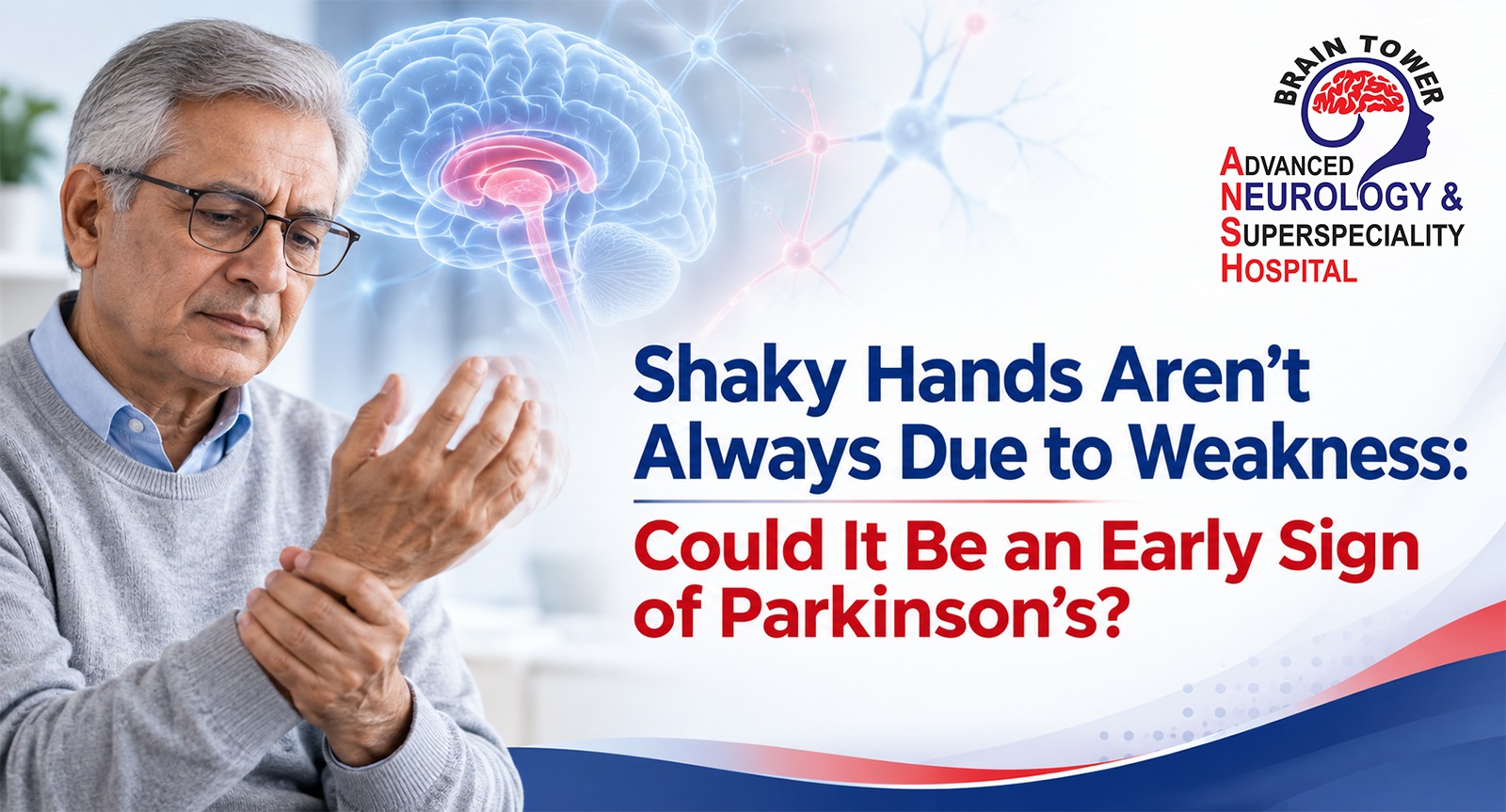
Have you ever noticed your hands trembling while holding a cup of tea, writing, or simply resting in your lap? Many people assume that shaky hands are caused by weakness, stress, fatigue, or ageing. While these can certainly contribute to hand tremors, persistent or unexplained shaking may sometimes indicate an underlying neurological condition.
One condition associated with hand tremors is Parkinson’s disease, a progressive disorder that affects movement, coordination, and the nervous system. Although tremors do not always mean Parkinson’s, recognising early warning signs can help individuals seek medical advice at the right time.
If you or someone you know is experiencing unusual hand tremors, consulting a qualified neurologist is an important first step. A specialist at a Neurology Hospital in Jaipur can assess the symptoms, identify possible causes, and recommend suitable investigations or treatment.
Understanding Hand Tremors: What Does Shaky Hands Really Mean?
A tremor is an involuntary, rhythmic movement of a body part. It often affects the hands, but it can also involve the arms, head, voice, or legs. Tremors may occur when the hands are at rest, during movement, or while performing specific activities.
Not every tremor is a sign of disease. Temporary shaking may occur because of:
- Stress, anxiety, or emotional excitement
- Excessive caffeine consumption
- Lack of sleep or physical exhaustion
- Low blood sugar
- Certain medications
- Excessive alcohol use or withdrawal
- Overactive thyroid
- Other neurological or metabolic conditions
However, when tremors become frequent, worsen over time, or are accompanied by changes in movement, balance, or coordination, they deserve closer attention.
The key is to understand when the shaking occurs, how long it has been present, and whether other symptoms are developing alongside it.
Could Shaky Hands Be an Early Sign of Parkinson’s Disease?
Yes, in some cases, hand tremors may be an early symptom of Parkinson’s disease. Parkinson’s is a neurological disorder associated with the gradual loss or dysfunction of dopamine-producing nerve cells in a part of the brain called the substantia nigra.
Dopamine plays an important role in coordinating smooth and controlled movements. As dopamine levels decline, individuals may develop symptoms such as tremors, stiffness, and slowed movement.
One of the most recognised symptoms of Parkinson’s disease is a resting tremor. This means the hand shakes when the muscles are relaxed, such as when the person is sitting quietly or resting their hand on their lap. The tremor may become less noticeable during purposeful movement, although this is not true for everyone.
In some people, tremors begin on one side of the body before gradually affecting the other side. Early Parkinson’s tremors may be subtle, and individuals might initially mistake them for weakness, nervousness, or a normal part of ageing.
It is important to remember that having shaky hands alone does not confirm Parkinson’s disease. A proper clinical assessment is necessary to determine the cause.
Recognising the Early Warning Signs of Parkinson’s
Tremors are only one possible symptom of Parkinson’s. Paying attention to other changes can help individuals recognise when a neurological evaluation may be appropriate. If you notice persistent shaking or changes in movement, consulting a specialist at a Neurology Hospital in Jaipur can help identify the underlying cause and guide you towards appropriate care.
1. Tremors While at Rest
A hand or finger may shake when the person is relaxed, sitting, or watching television. The movement may decrease when the hand is used. Resting tremors are commonly associated with Parkinson’s, but they can occur in other conditions as well.
2. Slower Movements
A person may begin taking longer to complete everyday activities. Buttoning a shirt, using a mobile phone, walking, or getting up from a chair may gradually become more difficult.
This slowing of movement is known as bradykinesia and is one of the important motor features of Parkinson’s disease.
3. Muscle Stiffness
Stiffness in the arms, shoulders, legs, or neck may make movement uncomfortable. Some people notice that one arm does not swing naturally while walking.
4. Changes in Walking and Balance
Shorter steps, reduced arm movement, difficulty turning, or a feeling of unsteadiness may develop. Balance problems can have many causes, so they should not automatically be attributed to Parkinson’s.
5. Changes in Handwriting
A person may notice that their handwriting becomes smaller or more cramped than before. This change, called micrographia, can sometimes occur in Parkinson’s disease.
6. Reduced Facial Expressions or Softer Speech
Some individuals may develop a less expressive face, a softer voice, or changes in speech rhythm. These symptoms can appear gradually and may be noticed by family members before the individual recognises them.
7. Non-Movement Symptoms
Parkinson’s disease can also affect functions beyond movement. Possible non-motor symptoms include constipation, reduced sense of smell, sleep disturbances, fatigue, depression, and changes in blood pressure.
These symptoms are not specific to Parkinson’s and may occur for many other reasons. However, when they appear alongside movement changes, they should be discussed with a healthcare professional.
Understanding the Importance of Early Neurological Care
Early medical evaluation can make a meaningful difference when someone experiences persistent tremors or other movement-related changes. ANS Hospital represents the importance of specialised brain and nervous system care, where understanding symptoms and identifying their underlying causes are central to better health outcomes.
A neurological consultation generally begins with a detailed discussion of the patient’s symptoms and medical history. The doctor may ask questions such as:
- When did the shaking begin?
- Does it happen when the hand is resting or moving?
- Does it affect one hand or both?
- Does the tremor become worse with stress, caffeine, or fatigue?
- Are there changes in walking, handwriting, speech, or movement?
- Is there a family history of tremors or neurological disorders?
- Are any medications being taken that could contribute to shaking?
A physical and neurological examination may include observing walking patterns, muscle tone, coordination, reflexes, and movement speed. The doctor may also look for signs of stiffness, reduced arm swing, or other changes associated with movement disorders.
How Is Parkinson’s Disease Diagnosed?
There is no single routine blood test that confirms Parkinson’s disease. In most cases, diagnosis is based on a detailed medical history and neurological examination.
A neurologist may recommend additional tests when necessary to:
- Rule out other causes of tremors
- Check for thyroid problems or metabolic conditions
- Review the possible effects of medications
- Assess other neurological disorders
- Investigate symptoms that are unusual or difficult to explain
Brain imaging, such as an MRI or CT scan, may be used when the doctor suspects another condition or needs to investigate specific symptoms. In selected cases, specialised imaging or other assessments may help support the diagnostic process, but these tests are not required for every patient.
Because Parkinson’s disease can develop gradually, follow-up appointments may be useful. A specialist may monitor changes over time before reaching a clear diagnosis.
Parkinson’s Disease vs. Other Causes of Shaky Hands
One of the most common conditions confused with Parkinson’s is essential tremor. Essential tremor often causes shaking during activities such as writing, eating, drinking, or holding an object. It may affect both hands and can sometimes involve the head or voice.
In contrast, Parkinson’s disease commonly features a resting tremor, along with slowness of movement, stiffness, or other characteristic neurological changes.
Other possible causes of tremors include medication-related effects, thyroid disorders, anxiety, low blood sugar, and excessive caffeine intake.
The difference cannot always be identified through observation alone. This is why self-diagnosis based only on the appearance of a tremor can be misleading.
When Should You Consult a Neurologist?
Not every occasional hand tremor requires immediate medical attention. However, you should consider scheduling a neurological consultation if:
- The shaking persists or becomes more frequent.
- Tremors interfere with eating, writing, dressing, or other daily activities.
- The shaking occurs repeatedly while the hands are at rest.
- Tremors are accompanied by stiffness or slowed movement.
- You notice changes in balance, walking, handwriting, or speech.
- The tremor begins after starting a new medication.
- Symptoms progressively worsen or affect one side of the body.
Sudden-onset shaking accompanied by facial drooping, weakness on one side, difficulty speaking, severe dizziness, or a sudden severe headache may indicate a medical emergency. In such cases, seek emergency medical care immediately rather than waiting for a routine appointment.
Can Early Treatment Help Manage Parkinson’s Symptoms?
Although there is currently no universally established cure that reverses Parkinson’s disease, early diagnosis and appropriate management can help many individuals maintain independence and quality of life.
Treatment plans depend on the person’s symptoms, age, overall health, and stage of the condition. Management may include:
- Medicines: Drugs that improve dopamine-related movement function may help reduce symptoms.
- Physical therapy: Exercise and guided movement can support flexibility, strength, posture, and mobility.
- Occupational therapy: Therapists can help individuals manage daily activities more safely and comfortably.
- Speech and swallowing therapy: These services may be useful when speech or swallowing becomes affected.
- Regular follow-up: Monitoring allows the care team to adjust treatment as symptoms change.
- Healthy lifestyle habits: Appropriate exercise, balanced nutrition, adequate sleep, and social engagement can support overall well-being.
Treatment should always be tailored by a qualified healthcare professional. Medication should not be started, stopped, or changed without medical guidance.
Final Thoughts
Shaky hands are not always caused by weakness, and they should not automatically be dismissed as a normal part of ageing. While tremors can result from stress, medication, essential tremor, or other conditions, they may sometimes be an early sign of Parkinson’s disease-particularly when they occur at rest and are accompanied by stiffness or slowed movement.
If you are experiencing persistent or unexplained tremors, timely evaluation can help identify the possible cause and guide the next steps. At ANS Hospital, the focus on specialised neurological care highlights the importance of understanding brain and movement-related symptoms with the support of qualified medical professionals.
If you are looking for a Neurology Hospital in Jaipur, consider consulting a neurologist for a thorough assessment rather than relying on assumptions. Recognising changes early and seeking appropriate medical advice can be an important step towards better neurological health.