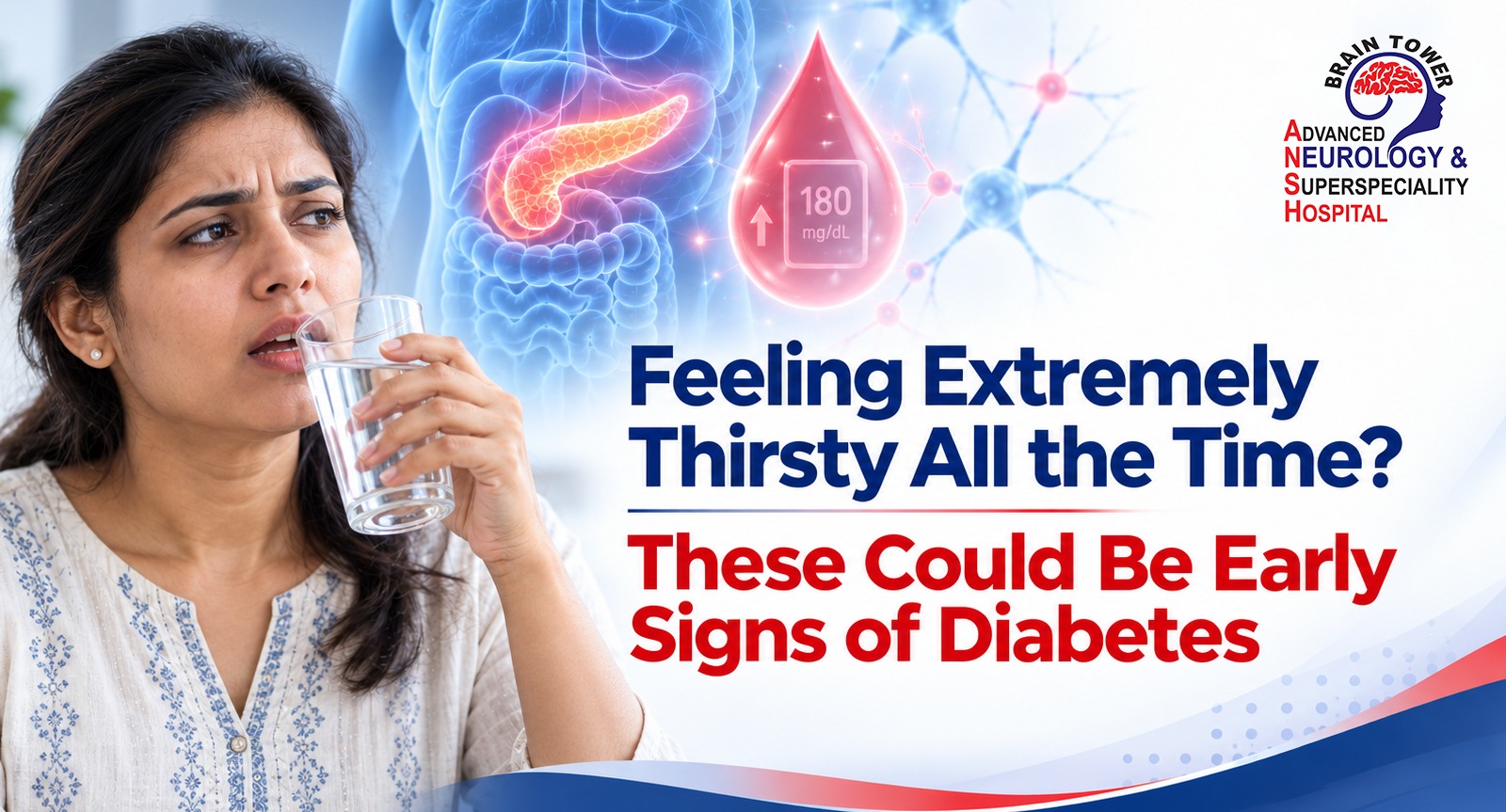
Do you feel thirsty throughout the day, even after drinking plenty of water? Reaching for your water bottle repeatedly may seem harmless, especially during hot weather or after physical activity. However, persistent excessive thirst can sometimes be more than a normal response to dehydration. It can be one of the early signs that your blood sugar levels are higher than they should be.
Diabetes does not always begin with obvious symptoms. In fact, type 2 diabetes can develop gradually, and some people may have few or no noticeable symptoms for a long time. Increased thirst and frequent urination are among the commonly reported symptoms of diabetes.
If you have noticed unusual thirst along with other changes in your body, it is worth paying attention rather than simply drinking more water and ignoring the pattern. Consulting a Diabetes Specialist Doctor in Jaipur can help determine whether your symptoms are related to blood sugar or another health condition.
Why Does Diabetes Make You Feel So Thirsty?
To understand the connection, it helps to know what happens when blood sugar becomes too high.
Normally, glucose in the blood is used by the body’s cells for energy. Insulin helps glucose move from the bloodstream into cells. When the body does not produce enough insulin or cannot use it effectively, glucose can remain in the bloodstream.
When blood glucose becomes elevated, the kidneys work to remove excess glucose through urine. This can lead to increased urination and, consequently, loss of fluid. As the body loses more water, the brain signals that you need to drink more, resulting in increased thirst.
This is why excessive thirst can sometimes accompany undiagnosed diabetes.
Is Excessive Thirst Always a Sign of Diabetes?
No. Being thirsty does not automatically mean you have diabetes.
You may become thirsty because of hot weather, exercise, sweating, inadequate fluid intake, salty foods, fever, or other health conditions. Certain medicines and medical problems can also influence thirst or urination.
The important factor is persistence and combination with other symptoms.
If you are constantly thirsty without an obvious reason, particularly if the thirst is accompanied by frequent urination, unexplained weight loss, fatigue, blurred vision, or increased hunger, it is sensible to speak with a healthcare professional. These symptoms are recognized signs that can occur with diabetes.
Other Early Signs of Diabetes You Should Not Ignore
If you are searching for guidance from a Diabetes Specialist Doctor in Jaipur, excessive thirst may be easier to notice when it occurs alongside other changes. Some common symptoms include:
1. Frequent urination
If you find yourself visiting the bathroom much more often than usual, especially during the night, it may be worth discussing with a doctor. Increased urination and thirst commonly occur together when blood glucose is elevated.
2. Unexplained weight loss
Losing weight without intentionally changing your diet or exercise routine can have many causes. However, unexplained weight loss can occur with diabetes and should not be ignored when combined with other symptoms.
3. Constant tiredness
Feeling unusually tired or lacking energy despite adequate sleep can sometimes accompany high blood glucose.
4. Blurred vision
Temporary or persistent blurred vision can occur with changes in blood glucose and is another symptom worth discussing with a healthcare professional.
5. Increased hunger
Some people with diabetes may feel unusually hungry even after eating. This can occur alongside other symptoms such as thirst, frequent urination, and fatigue.
6. Slow-healing sores or frequent infections
Diabetes can also be associated with sores that do not heal normally and recurring infections, including urinary tract, skin, or yeast infections.
What Should You Do If You Are Always Thirsty?
The first step is not to panic. Instead, pay attention to the pattern.
Ask yourself:
- How long have I been unusually thirsty?
- Am I urinating more frequently than usual?
- Have I experienced unexplained weight loss?
- Do I feel tired most of the time?
- Have I noticed blurred vision?
- Is there a family history of diabetes?
- Have my eating, exercise, or weight patterns changed recently?
If several of these signs apply to you, consider discussing them with a doctor and asking whether blood glucose testing is appropriate.
A Diabetes Specialist can evaluate your symptoms, medical history, risk factors, and test results rather than relying on symptoms alone.
How Is Diabetes Diagnosed?
Diabetes cannot be confirmed simply by noticing increased thirst. Blood tests are needed for diagnosis. Doctors may use tests such as fasting plasma glucose, HbA1c, oral glucose tolerance testing, or, in certain situations, a random plasma glucose test.
The HbA1c test is particularly useful because it reflects average blood glucose levels over approximately the previous three months. An HbA1c result of 6.5% or above is within the diabetes range, while 5.7% to 6.4% is considered the prediabetes range. Diagnosis may require confirmation depending on the circumstances and test results.
This is why self-diagnosing based on thirst-or relying only on a home glucose meter-is not enough. A healthcare professional can interpret the results in the context of your overall health.
Can Food and Nutrition Help Manage Diabetes?
Yes. Nutrition is an important part of diabetes management.
The goal is not necessarily to follow a highly restrictive diet. Instead, a sustainable eating pattern can focus on balanced meals, appropriate portions, vegetables, whole grains, suitable protein sources, and limiting excessive sugar and refined foods.
ANS Hospital‘s Dietetics and Clinical Nutrition department emphasizes personalized diet plans based on an individual’s age, health condition, lifestyle, and medical needs. Its nutrition services also include therapeutic nutrition, weight-management programs, portion-control guidance, meal-timing advice, and nutritional counselling.
This personalized approach matters because there is no single meal plan that works identically for everyone. A person’s weight, activity level, existing medical conditions, medications, food preferences, and nutritional requirements can all influence dietary recommendations.
Simple Eating Habits to Consider
If you are concerned about blood sugar, small and consistent changes can be more practical than crash dieting.
Consider:
- Choosing more vegetables and fibre-rich foods.
- Including appropriate sources of protein in meals.
- Limiting sugary drinks and foods high in added sugar.
- Reducing excessive consumption of refined carbohydrates.
- Paying attention to portion sizes.
- Maintaining regular meal patterns where appropriate.
- Staying physically active according to your doctor’s advice.
- Avoiding extreme or crash diets.
ANS Hospital’s nutrition guidance also highlights balanced eating rather than crash dieting for sustainable health and weight management.
When Should You Seek Medical Attention?
Persistent excessive thirst deserves attention, particularly when it is accompanied by frequent urination, significant fatigue, unexplained weight loss, blurred vision, or other unusual symptoms.
If symptoms are severe or develop rapidly-especially with vomiting, difficulty breathing, fruity-smelling breath, confusion, or fainting-seek urgent medical care. Very high blood glucose and diabetic ketoacidosis can become medical emergencies.
For people looking for a Diabetes Specialist Doctor in Jaipur, an appropriate medical evaluation can help distinguish diabetes from other possible causes of excessive thirst and guide the next steps.
Conclusion
Feeling thirsty after exercising or spending time outdoors is completely normal. But if you are drinking water constantly and still feel unusually thirsty, your body may be telling you that something needs attention.
Diabetes can sometimes develop quietly, and recognizing possible symptoms early gives you an opportunity to seek appropriate testing and professional guidance. Along with medical care, personalized nutrition can play an important role in managing blood sugar, supporting healthy weight, and developing sustainable eating habits.
If excessive thirst has become a regular part of your day, don’t simply dismiss it as a need for more water. Consider speaking with a healthcare professional, getting the appropriate blood tests, and understanding what your symptoms may mean.
With its focus on medical care, personalized nutrition, therapeutic diets, weight management, and nutritional counselling, ANS Hospital can be part of a comprehensive approach to understanding and managing health concerns related to diabetes and nutrition.