If you’ve been told your blood pressure is “a little high” and left it at that, you’re not alone. Millions of people carry this diagnosis quietly for years, without realising that unmanaged hypertension does far more than strain the heart – it can slowly damage the kidneys too. This is exactly why so many families in the city now search for a trusted Blood Pressure Specialist in Jaipur before the numbers on the monitor turn into something more serious.
At ANS Hospital, doctors see this pattern often: a patient comes in for fatigue or swelling, and the underlying cause turns out to be years of poorly controlled blood pressure quietly working against the kidneys.
The Hidden Link Between Blood Pressure and Kidney Health
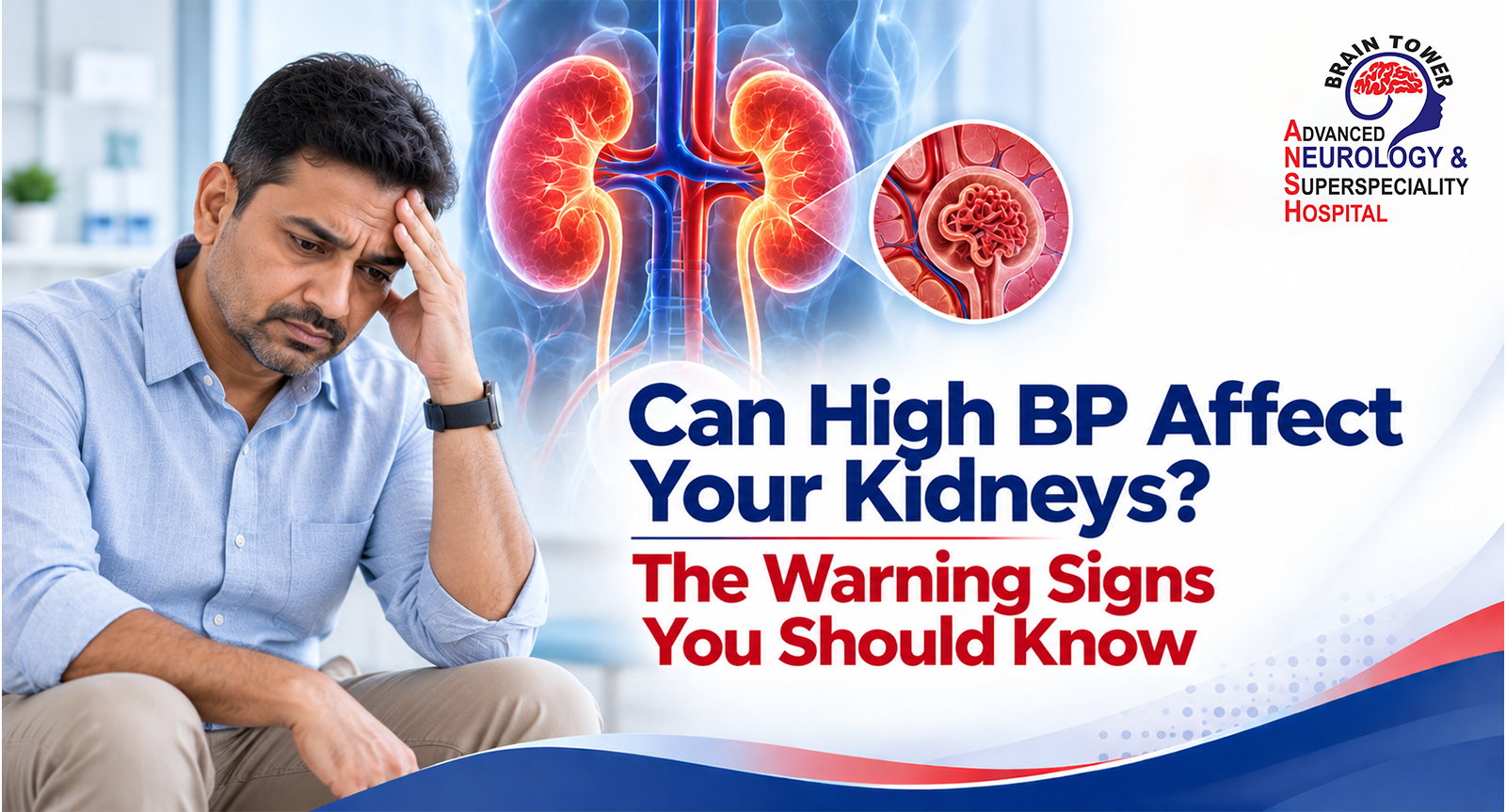
Your kidneys are essentially a network of tiny blood vessels and filters. Every day, they filter around 150 litres of blood, removing waste, balancing fluids, and regulating essential minerals. This delicate filtering system depends heavily on steady, healthy blood flow.
When blood pressure stays high for a long time, it puts extra force on the walls of these small blood vessels. Over months and years, this pressure can scar and narrow the vessels inside the kidneys, reducing their ability to filter blood properly. The result is a slow, often silent decline in kidney function – one that many people don’t notice until it has already progressed.
What makes this especially tricky is that both hypertension and early kidney damage tend to be silent conditions. There’s rarely dramatic pain or an obvious symptom in the early stages. That’s precisely why regular check-ups and timely consultation with a Blood Pressure Specialist in Jaipur matter so much – catching the problem early can mean the difference between simple lifestyle adjustments and long-term dialysis.
Why This Connection Matters More Than You Think
It’s a two-way relationship. High blood pressure damages the kidneys, but damaged kidneys can also raise blood pressure further, creating a difficult cycle. Kidneys play a key role in regulating fluid volume and certain hormones that control blood pressure. When they’re not functioning well, blood pressure tends to climb even higher, which in turn causes more kidney stress.
This is one of the reasons doctors at ANS Hospital take a comprehensive approach when a patient reports consistently elevated readings. Rather than treating the number in isolation, the focus is on understanding how the heart, kidneys, and overall lifestyle are connected – because managing one properly often means protecting the other.
Warning Signs You Should Never Ignore
Many people assume that kidney trouble will announce itself clearly, but in reality, the early warning signs are often mild and easy to dismiss. Here are some symptoms worth paying attention to, especially if you already have a history of high blood pressure:
Persistent fatigue and weakness – When kidneys don’t filter waste efficiently, toxins build up in the blood, leaving you feeling unusually tired even after rest.
Swelling in the legs, ankles, or around the eyes – Kidneys that aren’t working properly struggle to remove excess fluid and sodium from the body, leading to visible puffiness, particularly in the mornings.
Changes in urination patterns – This can include urinating more frequently at night, foamy or bubbly urine, or a noticeable decrease in the amount passed.
Difficulty concentrating or brain fog – A buildup of toxins can also affect mental clarity, causing forgetfulness or trouble focusing on daily tasks.
Loss of appetite or a persistent metallic taste – As kidney function declines, many people report a reduced interest in food or a strange taste that doesn’t go away.
Shortness of breath – Fluid retention caused by kidney strain can sometimes build up around the lungs, making breathing feel harder than usual.
Persistent headaches or dizziness – Since blood pressure and kidney function are closely linked, uncontrolled hypertension itself can cause frequent headaches, which may signal that things are getting worse.
None of these symptoms are exclusive to kidney trouble, which is exactly why self-diagnosis at home isn’t reliable. If two or more of these signs appear together, especially alongside a known history of high blood pressure, it’s a good idea to get a proper evaluation rather than waiting for things to worsen.
Who Is Most at Risk?
While anyone with long-standing hypertension can develop kidney complications, certain groups face a higher risk:
- People with diabetes alongside high blood pressure
- Those with a family history of kidney disease
- Individuals who are overweight or lead a largely sedentary lifestyle
- People who consume excess salt, processed foods, or smoke regularly
- Older adults, since kidney function naturally declines with age
If you fall into one or more of these categories, routine blood pressure and kidney function checks should become a regular part of your health calendar, not an afterthought.
Diet and Lifestyle Habits That Protect Your Kidneys
The encouraging part of this story is that kidney damage from high blood pressure is largely preventable, and in many cases, manageable with the right habits.
Reduce salt intake. Excess sodium is one of the biggest contributors to rising blood pressure. Cooking at home with controlled seasoning, and being mindful of hidden salt in packaged foods, can make a real difference.
Stay hydrated, but sensibly. Adequate water intake supports kidney filtration, though those with existing kidney concerns should follow fluid guidance from their doctor rather than general advice.
Eat a kidney-friendly, balanced meal plan. Fresh vegetables, whole grains, lean proteins, and fruits low in potassium (for those with kidney concerns) support both heart and kidney health. Reducing red meat and heavily processed snacks also helps.
Stay physically active. Even a daily 30-minute walk helps regulate blood pressure and supports healthy circulation to the kidneys.
Limit alcohol and avoid smoking. Both habits directly strain blood vessels, worsening hypertension and accelerating kidney wear over time.
Monitor your numbers regularly. Home blood pressure monitoring, along with periodic kidney function tests, gives your doctor the data needed to catch problems early.
Take medications consistently. Skipping prescribed blood pressure medication, even occasionally, can cause spikes that quietly damage kidney tissue over time.
When Should You See a Doctor?
If your blood pressure readings are frequently above the normal range, or if you notice any of the warning signs mentioned earlier, it’s time to seek professional guidance rather than waiting it out. Early-stage kidney stress is often reversible with the right treatment plan, but the window for easy correction narrows the longer it goes unaddressed.
This is where consulting an experienced Blood Pressure Specialist in Jaipur becomes valuable. A proper clinical evaluation – including blood tests, urine analysis, and a detailed review of your health history – can reveal exactly how your kidneys are coping and what steps are needed to protect them going forward.
Final Thoughts
High blood pressure is often called a “silent” condition, but its effects on the kidneys are anything but harmless. The good news is that with timely diagnosis, consistent lifestyle changes, and proper medical guidance, most people can protect their kidney health even with a long-standing hypertension diagnosis.
If you’ve noticed any of the warning signs discussed above, or simply haven’t had your blood pressure and kidney function checked in a while, don’t wait for symptoms to worsen. The team at ANS Hospital brings together experienced general physicians and specialists who understand how closely heart, kidney, and overall health are connected. A timely visit today could save you from complicated treatment down the road – because when it comes to blood pressure and kidney health, prevention truly is the best medicine.