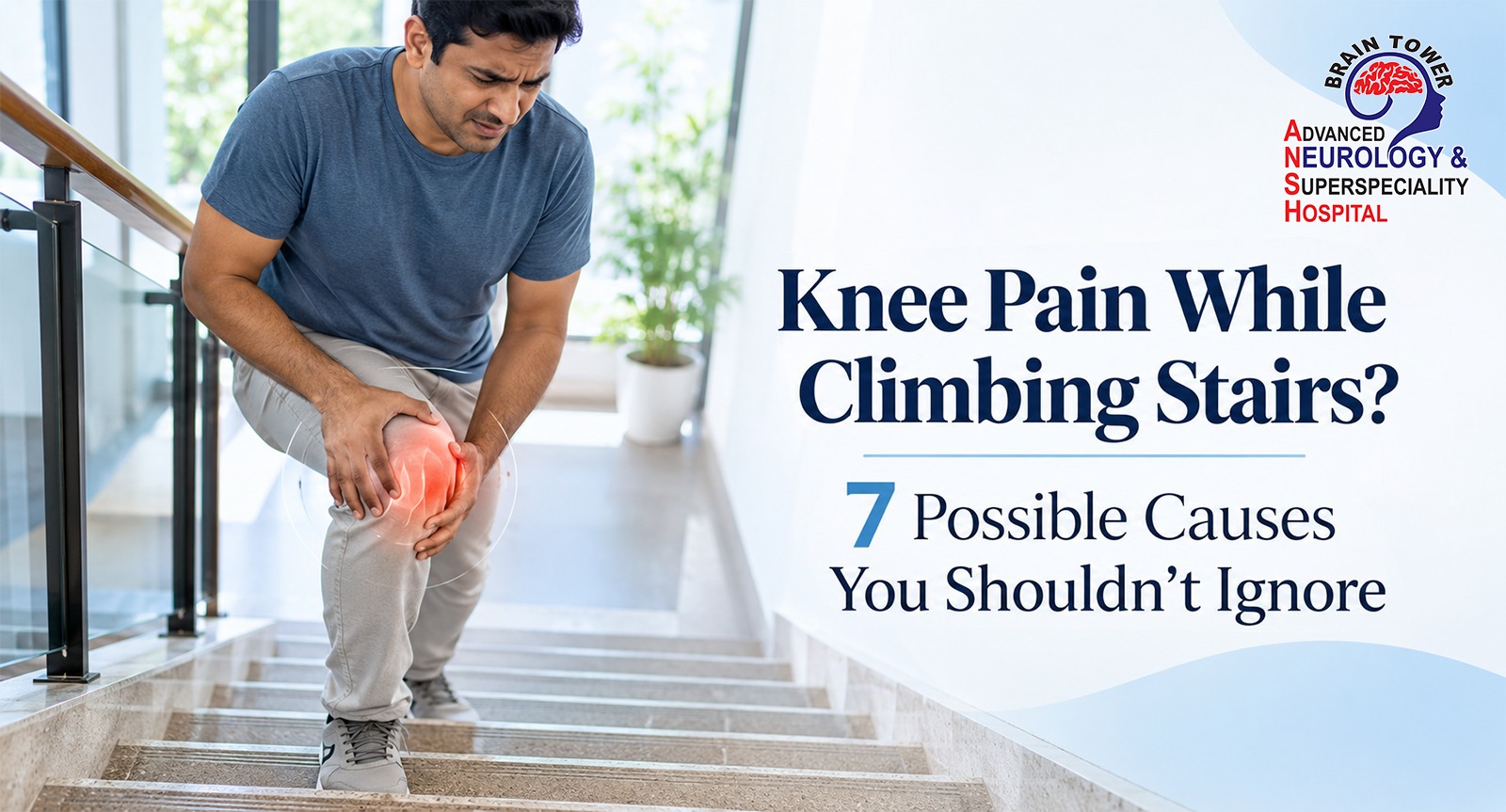
You reach the first step, and your knee sends a sharp or aching signal. Maybe it happens only on the way up, or maybe it also bothers you coming down. Many people shrug it off as “just age” or a one-time strain. But stairs put two to three times your body weight through your knees with every step, so they quickly expose problems that stay hidden during a flat walk.
If this sounds familiar, you are not alone. Knee pain is one of the most common reasons adults visit an orthopaedic specialist, and early attention makes a real difference. Whether you are searching for reliable knee pain treatment Jaipur has to offer or simply trying to understand what your body is telling you, this guide will help. Understanding the cause is the first step toward the right knee pain treatment Jaipur residents can rely on.
Why Do Stairs Make Knee Pain Worse?
Climbing stairs demands a lot from your knee joint. Your thigh muscles, kneecap, cartilage, and ligaments all work together to lift your body weight against gravity. If any part of this system is weak, worn, or inflamed, stairs are usually where you feel it first.
Pain on the way up often points to muscle weakness or kneecap problems. Pain on the way down is more often linked to cartilage wear or instability. Paying attention to when it hurts can give you useful clues.
Here are seven possible causes you shouldn’t ignore.
1. Osteoarthritis
Osteoarthritis is the most common cause of knee pain in adults over 45. Over time, the smooth cartilage that cushions the joint wears thin, and the bones begin to rub against each other.
Typical signs include stiffness in the morning, a grinding or crackling sensation, mild swelling, and pain that builds up after activity. Stairs often become the first daily challenge. While there is no way to reverse cartilage loss completely, early treatment can slow its progress and keep you active for years.
2. Patellofemoral Pain Syndrome
Often called “runner’s knee,” this condition causes pain around or behind the kneecap. It happens when the kneecap doesn’t glide smoothly over the thigh bone, usually because of muscle imbalance, flat feet, overuse, or tight hamstrings.
The classic complaint is a dull ache while climbing stairs, squatting, or sitting for long periods with bent knees. It is common in young adults and active people, and it usually responds well to physiotherapy and strengthening exercises.
3. Meniscus Tear
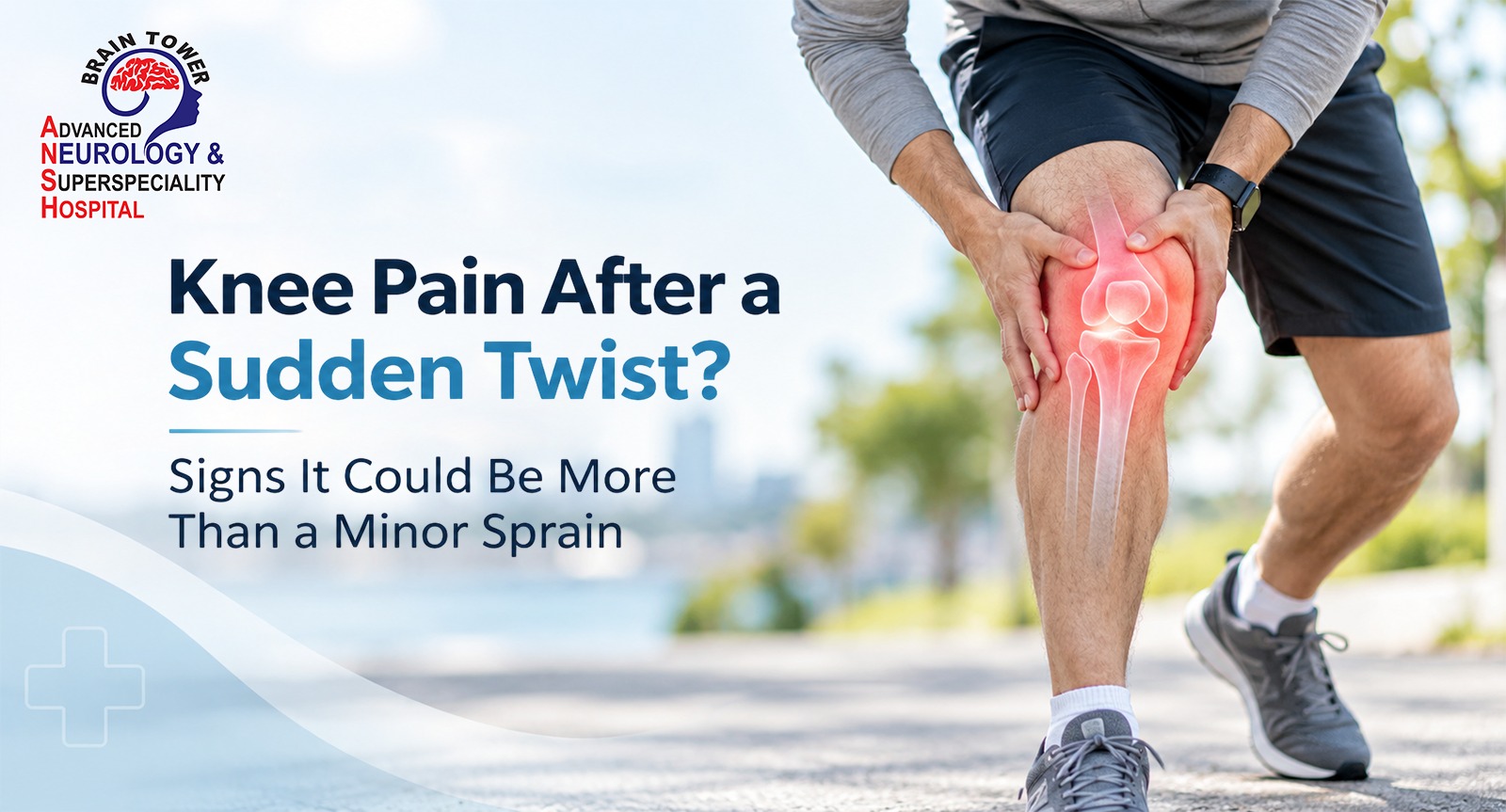
The meniscus is a rubbery, C-shaped cushion that absorbs shock between your thigh bone and shin bone. A sudden twist, a deep squat, or simple age-related wear can cause it to tear.
Look out for pain along the joint line, swelling, a catching or locking sensation, and a feeling that your knee might “give way” on stairs. Small tears may heal with rest and therapy, but larger ones sometimes need minimally invasive surgery.
4. Ligament Injuries
Your knee is held steady by four major ligaments, including the ACL and the MCL. A sports injury, a fall, or an awkward landing can stretch or tear them.
If your knee feels wobbly or unstable while taking stairs, or if you remember a “pop” at the time of injury, a ligament problem is possible. Ignoring instability can lead to further damage to the cartilage and meniscus, so it is worth getting checked.
5. Tendinitis
Tendons connect your muscles to your bones. When the patellar tendon (below the kneecap) or the quadriceps tendon (above it) becomes inflamed from overuse, the result is tendinitis.
The pain is usually sharp and localised, and it gets worse with repeated climbing, jumping, or running. Rest, activity changes, and targeted exercises generally help, but continuing to push through the pain can turn a mild problem into a long-term one.
6. Bursitis
Small fluid-filled sacs called bursae cushion the knee and reduce friction. Repeated kneeling, a direct blow, or repetitive stress can inflame them.
Bursitis typically causes swelling, warmth, tenderness, and pain when bending the knee or climbing stairs. It often settles with rest, ice, and anti-inflammatory care, though persistent cases need a medical review.
7. Rheumatoid Arthritis or Other Inflammatory Conditions
Unlike osteoarthritis, rheumatoid arthritis is an autoimmune condition in which the body’s immune system attacks the joint lining. It often affects both knees, along with other joints such as the hands and wrists.
Prolonged morning stiffness, swelling, warmth, fatigue, and pain that doesn’t improve with rest are warning signs. Early diagnosis matters a great deal here, because timely treatment can prevent permanent joint damage.
When Should You See a Doctor?
Occasional soreness after an unusually long day is normal. But please don’t wait if you notice any of these:
- Pain that lasts more than a few weeks
- Visible swelling, redness, or warmth around the knee
- A knee that locks, clicks painfully, or gives way
- Difficulty straightening or bending the leg fully
- Pain at night or while resting
- Pain following a fall or injury
Delaying care can allow a small, treatable issue to become a major one. A proper examination, often with an X-ray or MRI, helps identify the exact cause so treatment can be targeted rather than guesswork.
Simple Steps to Protect Your Knees Today
While you arrange a consultation, a few habits can ease the load on your joints:
- Maintain a healthy weight. Every extra kilogram adds several kilograms of pressure on your knees.
- Strengthen your thighs and hips. Strong quadriceps and glutes take stress off the joint.
- Use the handrail. Take stairs one step at a time if needed, and avoid rushing.
- Wear supportive footwear. Good cushioning and arch support improve alignment.
- Stretch regularly. Flexible hamstrings and calves reduce tension around the knee.
These measures help, but they are not a substitute for a professional diagnosis, especially if the pain keeps returning.
Finding the Right Care
Modern orthopaedic care offers far more than painkillers or surgery. Depending on your diagnosis, options may include physiotherapy, joint injections, bracing, lifestyle guidance, arthroscopy, or joint replacement for advanced cases. Choosing the right knee pain treatment Jaipur specialists offer begins with an accurate diagnosis and a plan built around your lifestyle.
When you look for knee pain treatment Jaipur hospitals provide, check for experienced orthopaedic doctors, modern diagnostic facilities, and a clear, patient-friendly approach to recovery. The best knee pain treatment Jaipur can offer is one that treats the cause, not just the symptom.
Conclusion
Knee pain while climbing stairs is your body’s way of asking for attention, and the seven causes above show how varied the reasons can be. The sooner you act, the easier recovery tends to be. If your discomfort is persistent, don’t put it off. Consult the experienced orthopaedic team at ANS Hospital for a thorough evaluation and personalised care, so you can get back to climbing stairs comfortably and confidently.